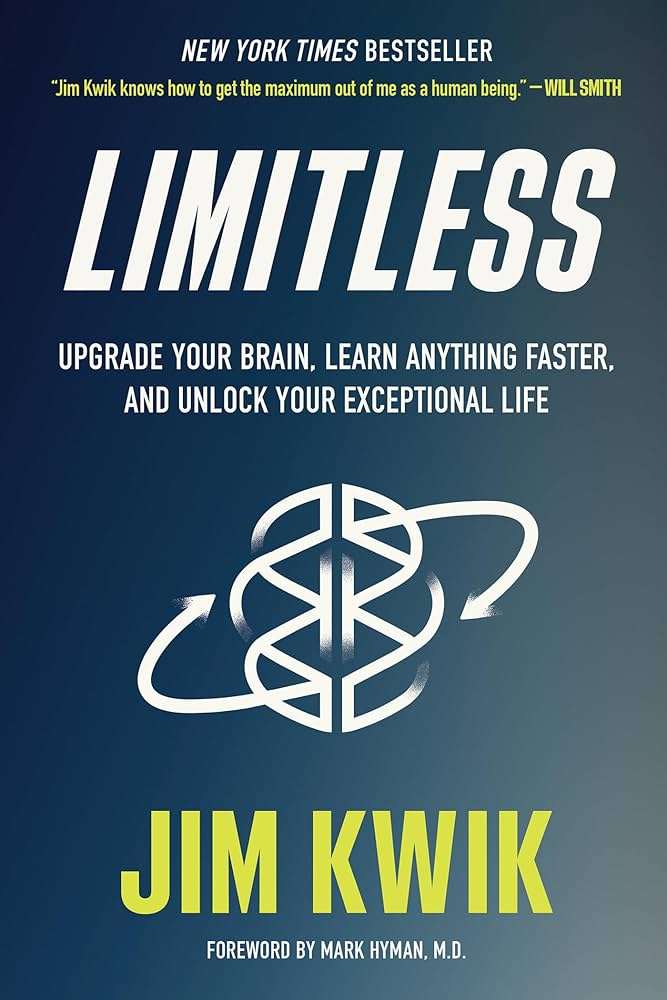
Learning frameworks accelerate when learners understand their Gift. Engaging from how you naturally contribute — rather than fighting your defaults — shifts learning from pure performance to curiosity.
Shared Premise
People learn best when they feel seen, capable, and valued. Learning accelerates when identity is affirmed rather than corrected.
- Kwik focuses on learning capacity
- The Gift framework focuses on identity capacity
- Together they form a complete system
Key Translations
- Mindset → Gift Identity: Kwik teaches that intelligence and memory are not fixed. The Gift-based translation reframes this as identity safety: you already carry a Gift, and learning is one way it reveals itself.
- Limiting beliefs are often misnamed experiences, not truths
- When a person's Gift is named, the nervous system relaxes and learning opens
- Identity safety precedes learning velocity
- Motivation → Gift Meaning: Kwik defines motivation as Purpose + Energy + Small Steps. The Gift framework grounds purpose in contribution rather than performance.
- People disengage when learning feels disconnected from who they are
- Gifts give learning direction, not just momentum
- Motivation deepens when learning strengthens one's capacity to serve others
- Methods → Gift Expression: Kwik emphasizes active learning, teaching, and meaningful engagement. The Gift-based translation personalizes methods according to how a person naturally engages the world:
- Relational Gifts learn best through dialogue
- Stewardship Gifts learn through responsibility and care
- Creative Gifts learn through imagery and synthesis
- Discernment Gifts learn through contrast and pattern recognition
FAST Model Reinterpreted Through the Gift
- Forget: Release shame-based labels
- Active: Engage learning through the Gift
- State: Learn from a place of safety and value
- Teach: Offer learning as contribution
Integrated Practice: Learning Through the Gift
- Name the Gift: Identify natural strengths and meaningful patterns.
- Attach the Learning: Connect learning to how the Gift grows or serves.
- Learn Actively: Short focused learning with immediate application.
- Reflect Through the Gift: Notice how learning felt and what it revealed.
- Offer It Forward: Share learning as a gift to others.
Key shift: From trying harder → to learning from Gift